Why Your Product Hunt Launch Feels Like a Failure (And Why the Real Win Shows Up Months Later)
Your Product Hunt traffic decays by day three, but the SEO backlink it leaves behind doesn't — here's why the launch-night sales number isn't the metric that matters.
PPrashant Kumar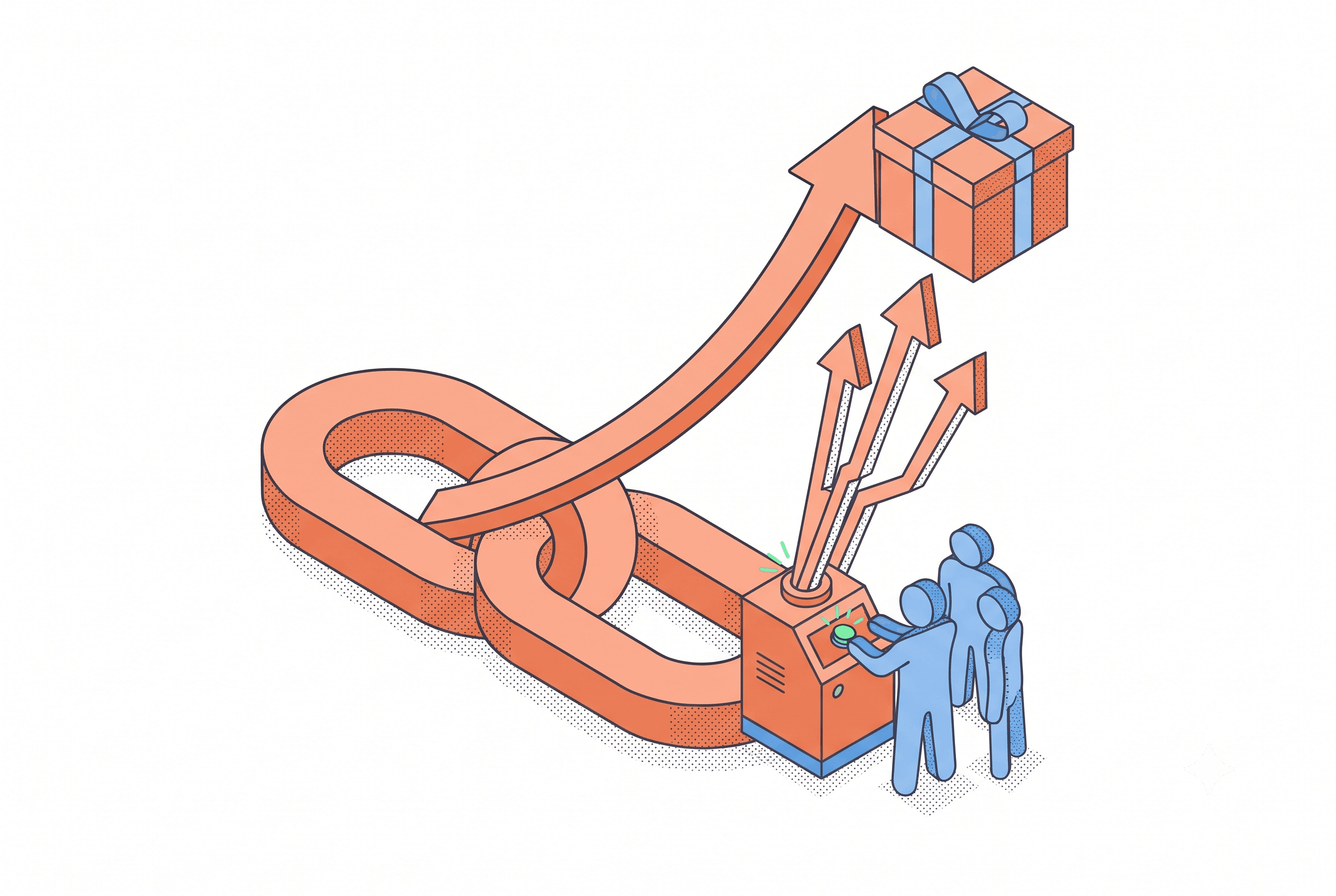
Launch-night traffic decays by day three, but the SEO backlink a Product Hunt launch leaves behind doesn't — the number actually worth checking is month six, not launch night.
Midnight comes and goes, and you're still on the couch refreshing Stripe instead of sleeping. Product Hunt resets its leaderboard at 12:01 AM Pacific, which is why most makers time launch day for the exact hour they should be in bed. You're not. You're watching a number that isn't moving the way you hoped.
One tracked case, from a founder who's run five public launches and published the numbers, shows the pattern almost everyone hits: 826 unique visitors on day one, dropping to 296 on day two, then 268, a brief bump to 483, and down to 106 by day seven. If that graph is your business metric, it looks like decay. It looks like the thing is already over by Thursday.
That decay curve isn't the story. It's the wrong graph to be watching.
The Graph That Actually Matters Is Six Months Out
Product Hunt runs on a domain rating of 91 — genuinely one of the highest-authority sites on the internet linking out to smaller ones. Your listing page gets a permanent, indexed backlink the moment it goes live, and that link doesn't decay the way your traffic does. A 2024 study of 156 founders found the visitor-to-signup conversion rate on Product Hunt averages around 3.1%, well below the 23.1% an engaged Indie Hackers post can pull. The same study found 89% of those founders said they wouldn't launch again. Almost all of them still said the backlink alone made it worth doing once.
So the sales you were refreshing Stripe for were never really the transaction. The transaction was Google deciding your domain was worth trusting, and that happened whether or not anyone bought anything that night.
You Don't Need a Hunter Army for This Part
This matters more if you're launching without an existing audience, which is most solo makers the first time. Product Hunt's editorial team has tightened what actually gets featured — the share of launches hitting the homepage dropped from as high as 98% before 2024 down to around 10% now. Featured launches see 1,000–5,000 visitors. A quiet, unfeatured launch might only pull a couple hundred.
Product Hunt has also quietly de-emphasized hunters — the established community members who used to post other people's launches for them — in its 2025 algorithm changes, which is good news if you don't have one lined up. A hunter with a big following still adds some early visibility, but it's no longer the deciding factor it once was. Building your own habit of showing up in the community before launch day counts for more than borrowing someone else's audience for twenty-four hours.
Here's the part worth sitting with: the backlink doesn't care which of those two you get. It's attached to the listing URL, live the moment the page publishes, regardless of rank or feature status. Is Product Hunt worth it if you never crack the top ten? For sales, maybe not. For the thing you're actually there to collect, yes — as long as the page is real, indexed, and not deleted the week after.
What's Actually Worth Doing the Night Before
Since sales were never guaranteed, and traffic decays on a schedule you can't control, the prep list that matters is shorter than most launch guides make it sound.
Use a canonical link — your actual product URL, not a throwaway /producthunt campaign page you'll forget to redirect once the offer expires. If you do build one for a launch-day discount, set a permanent redirect back to your homepage once it's over, or the link equity you're chasing just points at a dead page. Reply to every comment; engagement is one of the few things you control, and it's also part of what tells the algorithm the page is worth crawling and featuring. And don't fake any of it — bot votes and manufactured comments get stripped, sometimes along with your standing for future launches, and none of it touches the one asset that actually compounds.
The gallery still matters here too, even though it feels like the least important thing at 1 AM. Nobody's evaluating your screenshots for conversion the way a landing page would be — they're evaluating whether the page is worth featuring at all, and featured pages get the traffic that turns into the comments and mentions that turn into more links pointing at you later. A screenshot with an actual annotated callout explaining what the thing does reads as more finished than a raw crop, and you don't need a designer's ₹15,000 invoice or a Canva session at 2 AM to get there — ListPro's free Mockup Generator turns your existing screenshots into something presentable in the time it takes to make coffee.
The Metric You Should Actually Check in Month Six
Go back to that founder's numbers for a second. Day seven was 106 visitors — the "failure" part of the curve, if you're only watching launch week. But that same launch kept generating organic search traffic for months after, the kind that shows up in Search Console under a keyword nobody paid to target. That's the product hunt seo benefits everyone mentions in passing and almost nobody actually tracks.
So don't judge launch night by Stripe. Judge it by whatever you're ranking for in month six that you weren't ranking for in month one — that's the number this whole ritual was actually for. Have you gone back to check it yet?
Related posts
Ready to build your own launch kit?
Generate feature cards, cover images, and launch videos for Product Hunt, Gumroad, and Shopify App Store — or start with a free tool, no signup required.